
How a Higher Capital Gains Exclusion Could Reshape the Lake Tahoe Housing Market
Lake Tahoe Cole Mizak July 31, 2026
Lake Tahoe Cole Mizak July 31, 2026
There's a quiet piece of the federal tax code that shapes more Lake Tahoe sale decisions than almost anything the headlines cover — and Washington is finally paying attention to it.
It's called the Section 121 exclusion: the amount of profit you can walk away with, tax-free, when you sell your primary residence. A bipartisan proposal would double it. For a market like ours — where a home bought in the 1980s or '90s can carry a gain well into seven figures — that's not a small footnote. It could influence how many homes come to market, who finally decides to sell, and how the two sides of our lake compare on an after-tax basis.
Here's a clear-eyed look at what's being proposed, what's actually true today, and what it could mean if you own on the Nevada or California shore.
It's a common mix-up, so it's worth stating plainly. The capital gains exclusion is part of the federal tax code, changed by Congress and signed by the President. It has nothing to do with the Federal Reserve or interest-rate policy. So when you hear that the exclusion "might go up," that's legislation moving through Congress — a different lever entirely from the mortgage-rate conversation. Both affect the market, but they're not the same story.
Under Section 121, when you sell your primary residence, you can exclude a portion of your capital gain from federal income tax, provided you've owned and lived in the home for at least two of the past five years. As of today, that exclusion is $250,000 for single filers and $500,000 for married couples filing jointly. Any gain above that is taxed as a long-term capital gain.
Here's the part that matters for Tahoe: those limits were set in 1997 and have never been adjusted for inflation. The median U.S. home has roughly tripled since then, but the exclusion hasn't moved an inch. In a high-appreciation market, that gap compounds fast.
The figures generating attention — $500,000 single / $1 million married — come from the More Homes on the Market Act (H.R. 1340, with a Senate companion, S. 3332). The bill would double the current exclusion and, importantly, index it to inflation going forward so it never freezes again. It's bipartisan and has drawn broad cosponsorship.
A few honest caveats, because a luxury audience deserves precision rather than hype:
Every housing market has longtime owners. Few have longtime owners sitting on the kind of appreciation the Tahoe Basin has produced.
Consider a couple who bought an Incline Village home decades ago for a few hundred thousand dollars. Today that home might be worth well over $1.5 million. On paper, they'd love to right-size, relocate, or free up equity. But once their gain crosses the $500,000 married exclusion, every additional dollar of profit becomes taxable — and for many owners, that "stay-put penalty" is enough to keep them in a home they'd otherwise sell.
Multiply that across a basin full of long-tenured owners and you get what economists call a tax lock: inventory that never reaches the market simply because selling triggers a tax bill. Raising the exclusion loosens that lock. For a chronically supply-constrained market like ours, more willing sellers is one of the few things that can meaningfully expand the pool of available homes.
This is where local expertise matters, and where the proposal creates genuinely different math depending on which shore you're on.
Nevada side (Incline Village, Crystal Bay): Nevada has no state income tax, which means no state-level capital gains tax. For a Nevada-side seller, the federal exclusion is essentially the whole game. Doubling it could take a sale that currently generates a meaningful federal tax bill down to zero federal tax — a clean, complete benefit.
California side (Tahoe City, West Shore, Truckee): California taxes capital gains as ordinary income, at rates reaching up to 13.3%. A higher federal exclusion helps with the federal portion, but California would still tax the gain at the state level regardless. So the same proposal delivers a larger net benefit to Incline and Crystal Bay sellers than to their neighbors a few miles west.
For anyone weighing a move between the two shores — or between the two states more broadly — that after-tax difference is exactly the kind of detail that belongs in the conversation before a home ever hits the market.
If the exclusion rises, the most likely near-term effect is a modest loosening of inventory as tax-locked owners finally feel free to sell. In the mid-tier of our market — roughly the $1M–$2.5M range, where a doubled exclusion could erase the tax entirely for long-tenured owners — that effect would be most pronounced.
More listings can, in theory, temper price pressure. But Tahoe is not a typical market: demand from second-home and relocation buyers has consistently absorbed new supply. A more realistic read is that a higher exclusion brings quality inventory to the surface without flooding it — healthier turnover rather than a correction.
Candor matters here. For a lakefront estate or a top-of-market property where gains run well past $1 million, doubling the exclusion is helpful but not decisive — the taxable gain above the new limit still dominates the calculation. At that level, the more powerful levers are basis documentation (every capital improvement you can substantiate), timing, entity and trust structures, and coordinated planning with your CPA and estate attorney.
In other words: the proposal is a meaningful gift to the mid-market and a marginal one at the very top. Knowing which category your home falls into is the first step in planning around it.
There's no need to act on a bill that hasn't passed. But there is real value in being prepared:
This article is for general information and isn't tax or legal advice. Every situation is different — please confirm the specifics with your CPA or tax attorney before making a decision.
The bottom line: a higher exclusion wouldn't transform Tahoe overnight, but it would meaningfully lower the cost of moving for a large group of longtime owners — and on the Nevada shore especially, it could remove the federal tax bite from a sale entirely. If you're even quietly considering a sale in the next year or two, now is the time to understand your position, not after the rules change.
Would a higher exclusion apply on both sides of Lake Tahoe?
Yes — Section 121 is federal, so it applies to primary-residence sales in both Nevada and California. The difference is state tax: Nevada has no state income tax, so a Nevada-side seller could see the entire benefit, while California would still tax the gain at the state level.
Has the increase to $500K/$1M passed?
No. The More Homes on the Market Act has been introduced in Congress but has not become law. The current limits of $250,000 (single) and $500,000 (married filing jointly) remain in effect.
Does the exclusion apply to a second home or vacation property?
Generally no. Section 121 applies to your primary residence — the home you live in most of the time — and you must meet the two-of-five-year ownership and use tests. A pure second home or investment property doesn't qualify, though converting a property to a primary residence has its own specialized rules.
Is this the same as the Fed lowering interest rates?
No. The capital gains exclusion is a change to the federal tax code decided by Congress. Federal Reserve policy affects mortgage rates, which is a separate influence on the market.
I've owned my Incline Village home for decades. Should I wait to sell until the law changes?
There's no guarantee it will change, and timing a sale purely around pending legislation is risky. The better move is to understand your specific tax position now — including your documented basis — so you can act with confidence under either scenario.
Whether you own on the Nevada or California shore, the smartest sale starts long before the sign goes in the yard. I help Lake Tahoe owners understand their after-tax picture, document what matters, and time the market with precision — always at your pace, never with pressure.
Let's talk when you're ready. A confidential, no-obligation conversation is the best place to start.
Cole Mizak | MTN Luxury Living
Luxury Real Estate Specialist — Incline Village, Crystal Bay & the Lake Tahoe Basin
📞 775-225-2549 | ✉️ [email protected]
📍 110 Country Club Drive, Ste 1, Incline Village, NV 89451
NV RED S.0179606 | CA DRE 02126888 | CRS, CLHMS – Guild | $250M+ in career sales
🌐 MTNLuxuryLiving.com
Stay up to date on the latest real estate trends.

Lake Tahoe
September 18, 2026
Effective October 15, 2026 — but the statewide average hides who really pays. Here's what it means on each side of the lake.

Lake Tahoe
September 17, 2026
Where you live when you sell can be worth millions — but an IPO windfall isn't taxed the way most people think. Here's what a move can and can't do.
Lake Tahoe
September 15, 2026
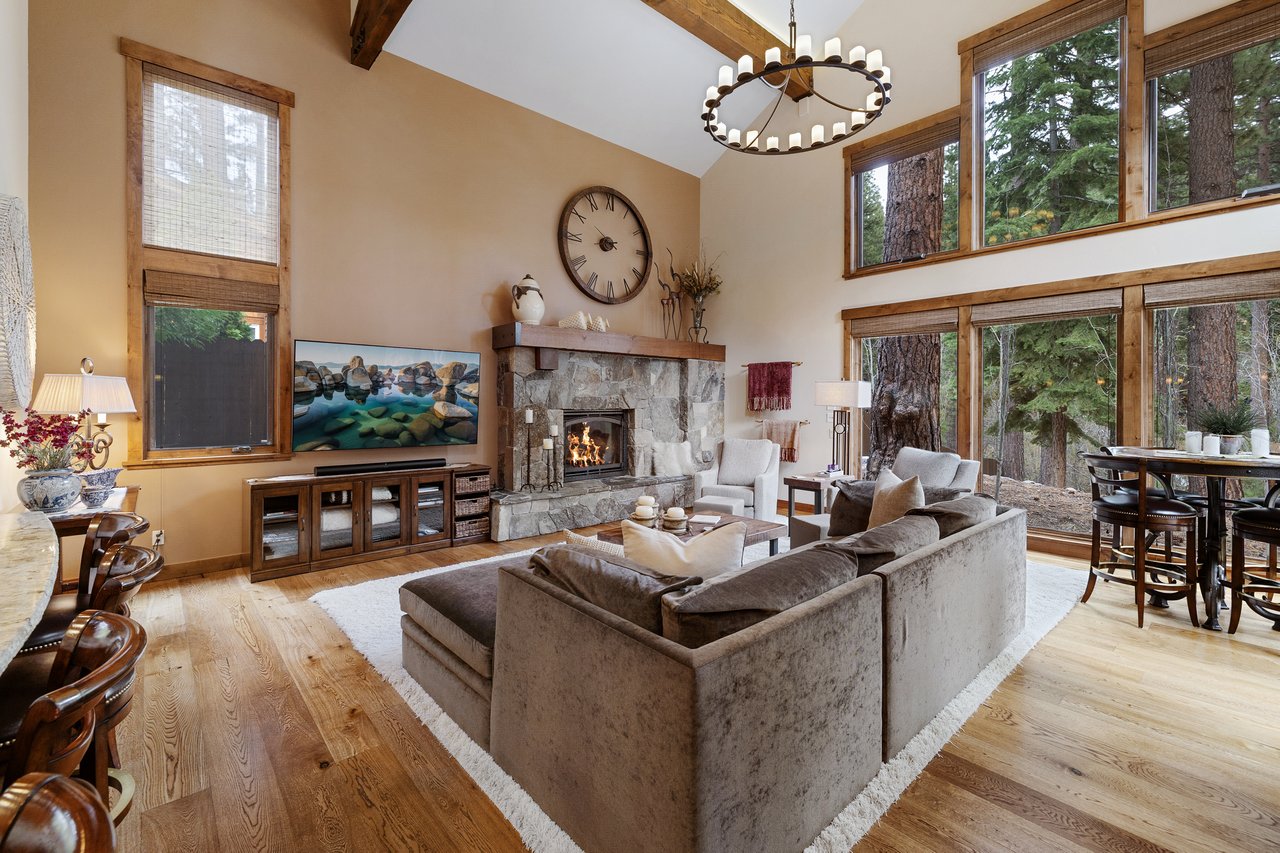
Incline's most walkable, family-friendly single-family neighborhood — and its top spot for teardown-and-rebuild.

Lake Tahoe
September 8, 2026
Trophy estates from $10M to a $125M record — and why, on this street, value is measured in feet of frontage, not square feet.

Lake Tahoe
September 3, 2026
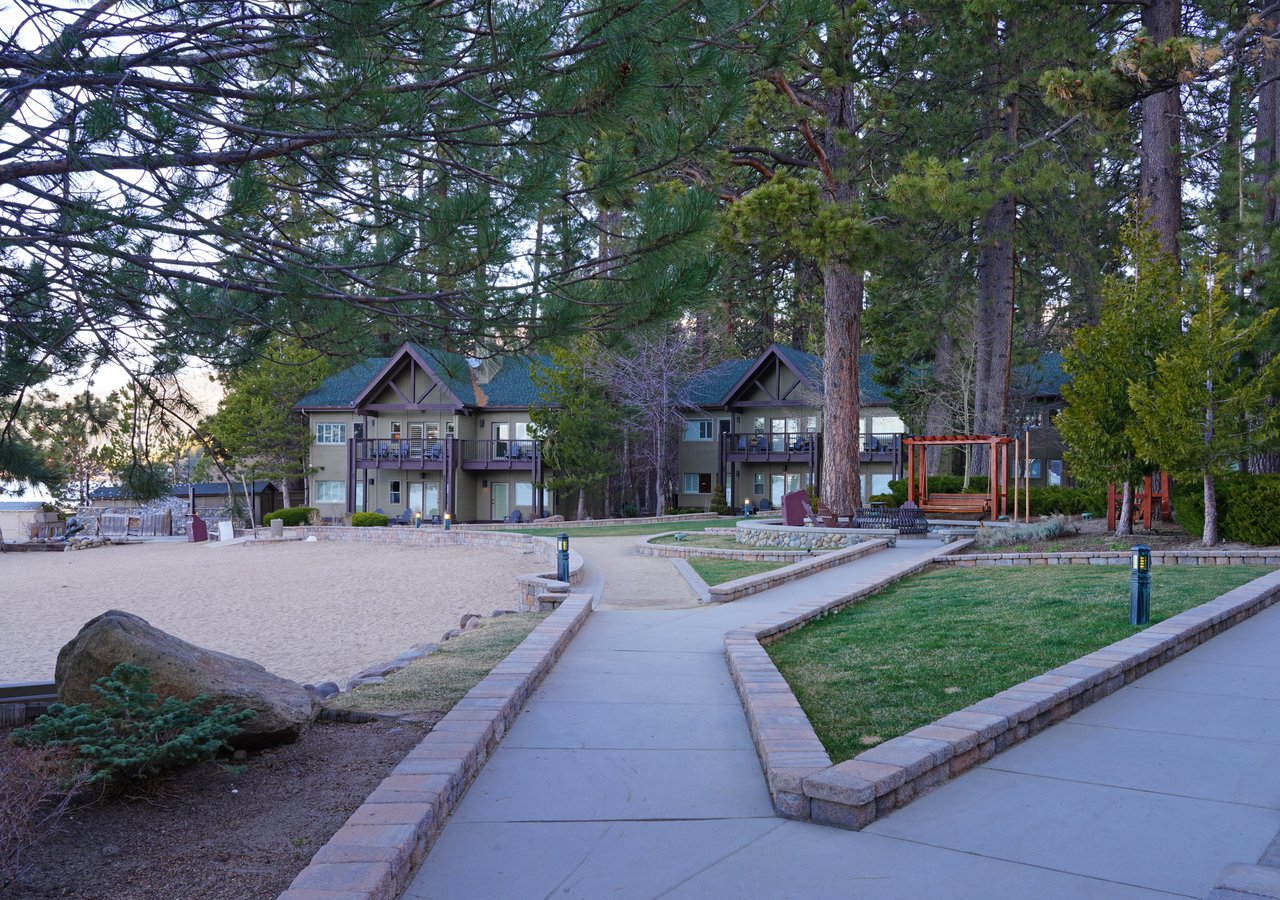
Property taxes, IVGID fees, insurance, and rental rules — the full annual carrying cost, and why it often nets out in your favor.
Lake Tahoe
August 31, 2026
How Much Is My Incline Village Home Worth? (2026)

Lake Tahoe
August 29, 2026
A straight, non-partisan look at what the November ballot measure is, who it actually affects, and why it's drawing national attention to the Nevada shore.

Lake Tahoe
August 28, 2026
A two-speed market — records at the top, a buyer's window at the entry level. Here's what the numbers actually say heading into winter.

Lake Tahoe
August 27, 2026
Nevada's zero income tax, a lakefront lifestyle 3.5 hours from San Francisco, and what it actually takes to make the move count.
Cole’s mission is to elevate the real estate experience for his clients. He is a long-time Lake Tahoe local and luxury home expert who has developed innovative strategies to provide his clients with an unmatched, bespoke level of service, attention, and support.